
Garbage? What’s on your mind when you heard it? Is it solution or pollution?
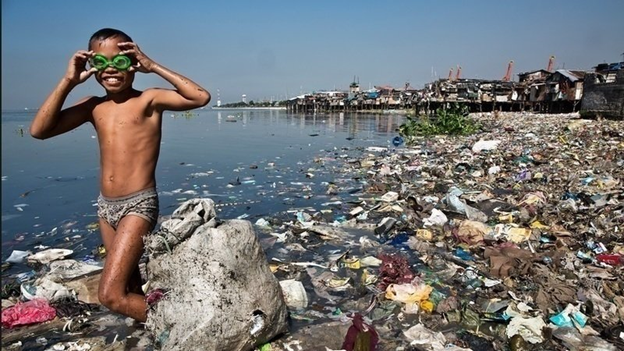
Well, both can be. Improper waste disposal in the Phlippines is common to all Filipinos. In fact, improper waste disposal is the one of the biggest problem in the Philippines. Filipinos living in the society tend throw garbage everyday. Garbage here,garbage there and garbage everywhere.According to (Hoornweg & Thomas 1999), one of the greatest problems associated with developing an international response to the growing difficulties associated with waste management is how to define waste. It caused greatly to the environment as well as to the human health. It is a serious problem from the past generation until the present that may be resolve or remain a problem in the next generation. But did you know that if this will not be resolve, the next generation will suffer? Health security maybe not secured or guarded when it comes to drinking contaminated water because of the improper disposal of the waste.
According to the Republic Act (RA) 9003 or Ecological Solid Waste Management Act of 2000 a landmark environmental legislation in the Philippines it describes solid waste management as a discipline associated with the control of generation, storage, collection, transfer and transport, processing, and disposal of solid wastes. Even though, there is a law about this problem but it still remain a problem. It is due to that the government doesn’t show more potential in the problem and the Philippines is top 3 in source of plastic leaking into oceans in a February 2015 study.
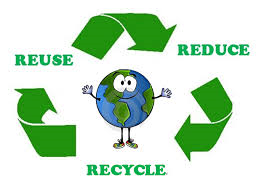
However, garbage can be a solution as well. But how? By doing the 3R “reduce, reuse,recycle”. Through this simple way, the growing rate of garbage in the Philippines will be lessen. Have you been asking yourself where this problem started? Unfortunately, it started with us humans. Humanity is part of what is happening in the environment.According to Department of Environment and National Resources (DENR) “Residents are responsible for one-fourth of the country’s daily solid waste.” A single resident can produce an average of 0.7 kilogram waste per day which can affect the cities garbage rate. Half of the garbage from Metro Manila is biodegradable waste such as food scraps, leftovers, and animal carcasses. About 17 percent are paper while 16 percent are plastics. The rest are discarded metal, ceramics, rubber, and leather.
What can you recommend to the government about this?May be one of this is. Government should give more attention to the law they implemented. More garbage truck collector and they should have an action or plan about this. Nonetheless, people in the society should do their part as they are also responsible to this. As stated in the Ecological Systems Theory, human behavior and action is dependent on his/her environment.
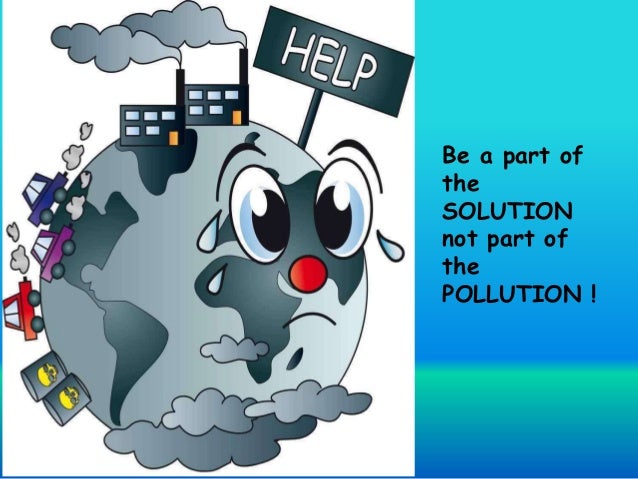
“Be part of Solution not part of Pollution”- Stephen R. Covey
“Live,Love Nature”- Judith Cadampog
References:
Hoornweg, Daniel; Thomas, Laura; Hoornweg, Daniel*Thomas, Laura. 1999. What a waste : solid waste management in Asia (English). Urban and local government working paper series ; no. UWP 1. Washington, D.C. : The World Bank. http://documents.worldbank.org/curated/en/694561468770664233/What-a-waste-solid-waste-management-in-Asia
Albert P. Aquino, Jamaica Angelica P. Deriquito, and Meliza A. Festejo.(Dec. 09,2013).
Ecological Solid Waste Management Act: Environmental Protection Through Proper Solid Waste Practice .Retrieved from: http://ap.fftc.agnet.org/ap_db.php?id=153&print=1

 Mountain explorer's group